Answer Engine Optimization for iGaming Brands
Search is evolving from showing blue links to delivering direct answers. With Google’s Search Generative Experience (SGE) and Bing’s AI chat, answer engines are shaping how players get information online. For iGaming brands, this introduces a new level of competition: instead of only fighting for rankings, the goal is to be included in the answer itself.
Answer Engine Optimization (AEO) is the practice of structuring content so that it is understood, summarized, and cited by AI-driven systems. In industries like gambling and esports betting, where regulations restrict paid advertising and organic visibility is often the lifeline, mastering AEO is essential. This guide explores what AEO is, how it compares with traditional SEO and GEO, and what practical steps iGaming brands can take to prepare their content for the future of search.
What is Answer Engine Optimization
Answer Engine Optimization focuses on positioning your content so that it becomes the source answer engines reference when providing information. Instead of chasing just position one on the SERP, the objective is to appear in the AI-generated summary that users see first.
AEO vs SEO
Traditional SEO works by optimizing pages with keywords, backlinks, and technical health signals. AEO adds another layer: providing precise, machine-readable answers. Google’s featured snippet guidance already shows how search engines extract short, clear responses from web pages. These same principles now apply to generative AI.
Why AEO Matters for iGaming
For casino, sportsbook, and esports operators, organic reach is one of the few sustainable channels left, since ads face strict restrictions. If answer engines repeatedly cite competitor sites, players may never see your brand in the funnel. Implementing AEO ensures your content has the clarity and authority needed to be surfaced when players ask critical questions, such as Which casino has the fastest payouts in Canada?
Core Principles of AEO in Gambling SEO
Adapting to AEO requires designing content that serves both human readers and AI systems. This means focusing on scannability, context, and credibility.
Direct, Scannable Answers
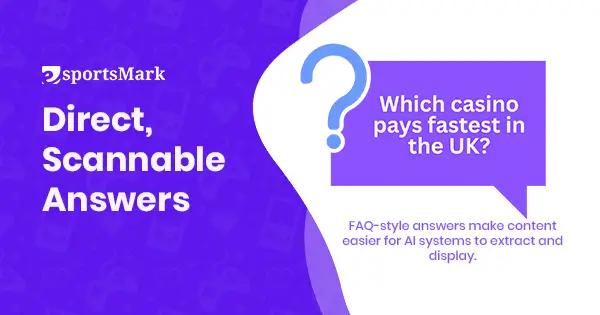
Users increasingly phrase searches as questions. Instead of typing UK casino payouts, they ask Which casino pays fastest in the UK? Answer engines need content written in a way that can directly respond to these conversational queries. Structuring Q&A sections, writing concise definitions, and including question-based headings makes it easier for AI systems to extract answers. For example, structuring a guide on “casino bonus rules” with dedicated questions like Do casino bonuses expire? improves both usability and AEO performance.
Entities and Context
Answer engines work by mapping entities and relationships. Mentioning licensing regulators such as the UKGC or MGA, trusted payment systems like PayPal and Skrill, and major providers like NetEnt or Microgaming helps content align with known entities. When combined with regional content such as local pages, this ensures AI systems can contextualize your authority in specific markets.
Linking to Reliable Sources
AI favors sources that link to verifiable information. Citing licensing authorities, compliance resources, or independent industry reports increases credibility. This principle is especially important in gambling SEO, where regulators and watchdogs act as external validators. By grounding claims in reliable data, iGaming sites become more eligible for citation in AI-driven summaries.
How AEO Differs from GEO
Generative Engine Optimization (GEO) and Answer Engine Optimization share similarities, but their goals differ. GEO is about creating broad content ecosystems that AI can summarize, while AEO is about producing direct, structured answers that AI can lift verbatim.
GEO: Contextual Summaries
GEO emphasizes semantic relevance, entity-based writing, and structured content that can be integrated into AI’s larger summaries. It is about coverage across a topic cluster.
AEO: Specific Answers
AEO zeroes in on precision. Instead of long expositions, it calls for tables, FAQs, and short paragraphs crafted to directly address queries. For example, an AEO-optimized guide would include a snippet like The UK Gambling Commission requires all licensed casinos to verify player identity before withdrawal a sentence short enough for AI to cite.
Both GEO and AEO are complementary. Using only one leaves gaps. For example, competitor link may reveal which resources are repeatedly linked, informing which pages should be optimized for summaries (GEO) and which for direct answers (AEO).
Implementing AEO for Casino and Gambling SEO
Bringing AEO into gambling SEO means balancing compliance with discoverability. Pages need to deliver concise, reliable answers while maintaining depth, transparency, and structured presentation. By combining FAQs, comparison tables, and licensing information, operators can align their content with how answer engines parse and prioritize information.
FAQ-Driven Structures
Adding FAQ sections that directly mirror user intent provides AI with content formatted for extraction. Questions like How do casino bonuses work? or Which payment methods process fastest withdrawals? anticipate user behavior and create AEO-ready answers.
Review and Comparison Tables
Tables comparing casinos, bonuses, or withdrawal speeds are particularly valuable. They provide clarity for users and are machine-readable for answer engines. Pairing this with link strategies from casino link acquisition ensures such pages gain authority, making them more likely to be cited.
Compliance and Licensing Pages
Regulated industries benefit from transparency. Dedicated compliance pages detailing licensing, payout rules, and responsible gambling practices stand a higher chance of being surfaced as authoritative answers. This is especially true when supported with structured data.
Role of Structured Data in AEO
Answer engines depend on structured data to interpret page context. Proper schema implementation ensures content is machine-readable and eligible for AI extraction.
FAQ Schema
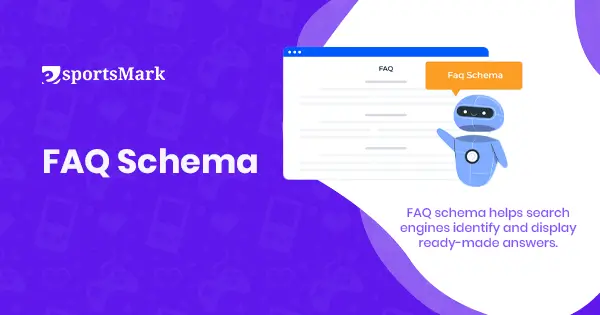
Adding FAQ markup signals to search engines that a page contains ready-made questions and answers. This increases eligibility for snippets and AI answers.
Review and Rating Schema
For gambling SEO, review schema allows you to mark up bonuses, ratings, and payout speeds. This not only improves visibility in rich results but also strengthens eligibility for answer engines.
Regulatory Entities
Structured data can also highlight regulatory organizations and compliance frameworks. For example, using organization schema for the UKGC helps search engines interpret authority in licensing contexts.
Measuring AEO Success
Assessing the effectiveness of Answer Engine Optimization goes beyond simple rankings. It requires monitoring how content is being surfaced by AI, whether users engage with it, and if your answers are recognized as credible sources. By combining snippet tracking, AI citation monitoring, and behavioral analytics, iGaming brands can evaluate both visibility and impact.
Featured Snippet Tracking
One way to measure AEO success is by tracking featured snippets. If your answers are surfacing in snippets, it’s a good sign that they are also competitive for generative engines.
AI Citation Monitoring
Tracking AI citations is an emerging practice. Brands are beginning to test methods to measure whether their content appears in SGE or Bing’s AI responses. While still experimental, this will soon be as critical as rank tracking.
Engagement Metrics
Answer visibility only matters if users engage. Monitoring click-through rates, dwell time, and conversions from snippet and AI traffic helps validate whether your answers meet user needs.
Challenges and Risks of AEO
While AEO opens new opportunities, it also brings risks that marketers must anticipate. Over-simplifying answers can harm engagement, while regulatory missteps may damage trust or even trigger penalties. The competitive nature of gambling SEO also means only the most authoritative and differentiated content will consistently win AI citations.
Over-Simplification
A risk of AEO is reducing content to oversimplified snippets. If answers are too short, users may not click, reducing engagement. The challenge is to provide concise answers while still offering depth.
Regulatory Accuracy
In gambling SEO, incorrect compliance information can cause legal and reputational damage. Ensuring accuracy in licensing and regulatory details is non-negotiable.
Competitive Saturation
AI engines tend to favor a limited pool of domains. Without differentiation such as original research or unique payout data and it can be difficult to break into citation cycles.
Future of AEO in iGaming
Answer Engine Optimization is set to grow as conversational AI changes how queries are made. The future of AEO in iGaming will be shaped by brands that:
- Provide concise, accurate answers
- Use structured data effectively
- Link naturally to credible regulators and industry reports
- Update content regularly to maintain freshness
When combined with strategies like connecting web pages, AEO becomes a driver of long-term authority, ensuring gambling operators remain visible in AI-driven search.
Conclusion
Answer Engine Optimization represents a critical shift in search strategy. For iGaming brands, it is an opportunity to remain relevant in a world where AI and answer engines dominate user behavior. By creating concise, authoritative answers, structuring content with schema, and grounding claims in credible sources, operators can ensure their brand is surfaced where it matters most: in the answers players see first.