
How Link Building Works for Growth in 2025
Link building remains a cornerstone of SEO in 2025, though the practice has become more refined and evidence-driven. Search engines still treat backlinks as votes of confidence, but they are no longer evaluated only by quantity. Context, topical relevance, and source authority are central to how much value a link passes. This makes link building not a numbers game, but a system of credibility building.
Over the past decade, Google has made major advances in detecting manipulative practices. Updates such as Penguin and ongoing link spam policy revisions have forced SEOs to focus on natural and editorial placements. A link now functions much like an academic citation: it only carries weight if it is relevant and comes from a credible publication.
This article outlines how link building works today, why it matters more than ever, and the strategies that lead to growth. Each section blends research insights with practical methods so you can see not just what to do, but why it works.
What Is Link Building
Link building is the process of acquiring hyperlinks from external sites that point back to your own. These links help search engines discover new pages, evaluate authority, and decide which content deserves higher rankings. Google’s own documentation on links explains that links provide both discovery paths and contextual signals, shaping how algorithms interpret a page.
When a trusted site links to your content, it works like a citation in a research paper. The endorsement signals that your page has value and is worth referencing. Not all links carry the same weight, however. A link from a government or regulatory site in gambling SEO is far stronger than multiple links from small, unrelated directories. Relevance is as important as authority: a compliance website linking to a casino operator guide makes sense semantically, while a link from an unrelated hobby blog does not.
Why Link Building Still Matters in 2025
There is a persistent myth that quality content alone is enough to rank. While great content is a prerequisite, it rarely ranks without external validation. Studies from Ahrefs show that most pages without backlinks fail to earn organic traffic, regardless of quality. This demonstrates that search engines still require signals from other domains to verify relevance and authority.
Links also shape context. Anchor text directs search engines to understand the subject of a page, and the authority of the referring domain influences how much weight is transferred. An anchor reading “fastest payout casino” on a licensed gambling news site provides far more context than a random mention of “casino” on an unrelated blog. Internal linking then determines how this equity flows across your site, which is why page structure plays such an important role in amplifying external backlinks.
In high competition sectors such as gambling, finance, or health, backlinks often make the difference between second-page obscurity and first-page dominance. They provide evidence that your content is trusted beyond your own platform, which is increasingly important as Google integrates AI and user engagement metrics into ranking decisions.
Types of Backlinks You Should Understand
Different types of backlinks play different roles in a profile. Do-follow links remain the most valuable since they transfer authority directly. No-follow links were historically ignored, but since Google’s 2019 update they are treated as hints. A no-follow link from a major outlet such as Forbes may still provide secondary benefits like discovery and credibility.
Editorial backlinks are among the most prized because they are earned through merit. When a journalist, industry analyst, or blogger cites your work naturally, it signals that your content is useful enough to reference. High authority links from trusted domains also carry weight, and SEOs often use metrics such as Domain Authority or Domain Rating as proxies for trust. These metrics, described in Moz’s guide on Domain Authority, are not used directly by Google but provide benchmarks for opportunity evaluation.
Internal and external links complement backlinks. Internal links distribute authority across your site, ensuring important pages are prioritized. External links, when used responsibly, demonstrate that your work is grounded in credible sources. Together, these elements build a balanced, trustworthy link profile that search engines and users can rely on.
Risks and Anti-Patterns to Avoid
Shortcuts in link building continue to attract penalties. Private Blog Networks, link farms, and bulk paid placements remain risky strategies. Google lists these manipulative approaches in its link spam policy, noting that such practices are treated as attempts to deceive search engines. Using them is comparable to citing unreliable sources in academic research, which ultimately undermines both credibility and long-term performance.
Industries like gambling, finance, and healthcare face even stricter scrutiny. Links that appear manipulative are more likely to be devalued or ignored. This is why SEOs in regulated markets focus heavily on transparent partnerships, digital PR, and placements on trusted media outlets. Building links through genuine content collaboration or sponsorships often outperforms trying to game the system.
Another anti-pattern is over-optimized anchors. Relying too heavily on exact-match anchors not only looks unnatural but also correlates with ranking volatility. A healthier approach is to mix branded, partial, and generic anchors to reflect how natural mentions occur online. Likewise, sudden bursts of low-quality links often trigger algorithmic suspicion, while steady acquisition from relevant, authoritative sources supports sustainable growth.
Strategies That Work in 2025
In 2025, the most effective link building strategies are those that combine creativity with precision. The Skyscraper Technique remains effective when done carefully. By analyzing a high-performing page, creating a stronger version with better data and design, and offering it as a resource, marketers can still attract high-value links.
Competitor backlink analysis has also become more sophisticated. Using tools to map which domains link to similar content allows SEOs to identify warm prospects. Rebuilding or improving upon assets that already earned backlinks saves time and targets publishers that have shown a willingness to cite.
Local and niche-specific assets are increasingly valuable. Location-based content tailored for regional audiences, industry associations, and compliance updates attracts natural citations. For example, creating content around gambling regulations in a particular jurisdiction can earn links from both media outlets and official directories. Pairing these tactics with long-form evergreen resources ensures backlinks continue to accrue over time rather than fading after initial promotion.
How to Format Content so It Earns Links Naturally
The way content is structured strongly influences its linkability. Editors and journalists are more likely to reference resources that are easy to scan and verify. Articles with descriptive subheadings, clear formatting, and visual aids tend to attract more citations. Research by Nielsen Norman Group shows that online readers scan rather than read word for word, which is why clarity matters so much.
Good formatting also supports credibility. Transparent sourcing, concise introductions that state the problem and solution, and examples supported by data make content more trustworthy. Including small data tables, charts, or original analysis adds further incentive for others to cite your work. Outbound links to authoritative resources are also crucial because they show that your arguments are supported by verifiable evidence.
In practice, this means treating each article as a resource. A well-formatted piece is not just informative; it becomes the go-to reference in its niche. The more a page is cited by others, the stronger its ranking signals become over time.
Tools That Make Campaigns Measurable
Modern link building relies heavily on technology to scale research and measure outcomes. Ahrefs remains one of the most robust backlink databases, providing detailed reports on referring domains, anchor text, and link growth. SEMrush adds value with prospecting tools, outreach features, and competitive insights. Moz continues to be useful for domain-level benchmarking, while Screaming Frog is indispensable for site crawling and extracting internal linking opportunities.
Outreach platforms like Pitchbox and BuzzStream streamline campaign management, while AI-driven tools are beginning to predict link opportunities by analyzing topic clusters.
The key is integration. No single tool provides everything. Combining multiple platforms creates a layered view, from identifying strong prospects to measuring how placements impact traffic and rankings. This approach allows campaigns to be both precise and adaptable.
How Much Link Building Costs in 2025
Pricing in link building varies widely, and the range continues to expand as competition increases. A placement on a small niche blog may cost under $100, while a high-authority publication in finance or gambling can command several thousand dollars. Industry data from Siege Media shows typical costs range between $100 and $1,500 per link, with competitive sectors exceeding $2,000.
However, raw cost is only part of the equation. Value should be measured in long-term traffic, authority, and brand credibility. A single well-placed editorial link may drive more results over time than dozens of cheaper, irrelevant placements. Costs should also factor in content creation, outreach, and relationship building, all of which determine sustainability.
The lesson is that quality comes at a price, but it also compounds in value. Thoughtful investments in strong placements tend to pay dividends far beyond their initial cost.
Build a Hub and Spoke Structure on Your Domain
One of the most effective ways to maximize link equity is by organizing your own content strategically. A hub and spoke model, where a central guide connects to specialized resources, creates clarity for both users and search engines. The hub provides an overview, while the spokes dive into subtopics in detail.
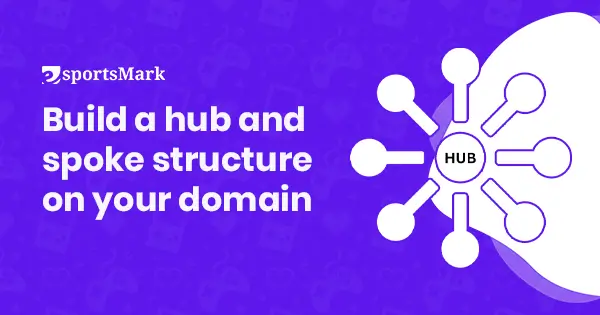
This structure ensures authority flows naturally throughout your domain. For example, a core article on link building can point to detailed guides on do-follow backlinks, editorial placements, and internal linking. Supporting articles can then reference the central hub, reinforcing its importance. This interconnection not only distributes authority but also mirrors how readers move through topics.
The model also prepares your site for long-term growth. As new content is added, it can be slotted into the existing structure, ensuring every piece contributes to the overall authority of the site. When combined with high-quality external backlinks, this internal system magnifies the impact of every link earned.
Frequent Mistakes and How to Correct Them
Many link building campaigns fail because of predictable errors. The first is chasing volume over quality. Dozens of weak links from unrelated directories rarely compete with one strong editorial placement from a respected site. The solution is to focus on producing resources that others genuinely want to reference.
The second mistake is anchor text manipulation. Overuse of exact-match anchors can signal spam to search engines. A natural profile includes branded terms, partial matches, and generic anchors to reflect organic linking patterns. Editors often write in their own voice, so forcing unnatural anchors is both risky and unnecessary.
The third issue is inconsistent velocity. A sudden spike of low-quality links looks artificial, while steady, relevant growth appears authentic. Monitoring link acquisition patterns and aligning them with content publishing schedules keeps profiles healthy. Correcting these mistakes requires discipline and a commitment to sustainable practices rather than short-term wins.
Conclusion
Link building in 2025 is not about chasing the largest number of links but about securing the right ones. Quality editorial placements, balanced anchor text, and sustainable velocity patterns matter more than sheer volume. A strong link is a signal that your work has solved a problem better than others and is therefore worth citing.
By combining careful content design, transparent outreach, and a structured internal linking system, brands can build backlink profiles that not only withstand algorithm updates but also compound in value over time. The result is lasting authority, improved rankings, and growth that continues well into the future.
Frequently Asked Questions
Is link building safe?
Yes, when links are earned editorially and placed in relevant contexts. Unsafe methods are those identified by Google’s spam policies.
How long does it take to work?
Campaigns often show measurable results within three to six months. Timelines depend on your site’s authority and the competition in your niche.
How many links are required?
There is no universal number. The practical approach is to analyze competitors and close the gap with placements that make sense for your audience.
What are niche edits?
These are contextual backlinks added into existing content. When placed on relevant, authoritative pages, they can be effective for both traffic and ranking signals.